Banner Printing
Banner Printing: Essential Guide for Effective Marketing
Banner printing is a key marketing tool for businesses and events. It provides a visually appealing way to attract attention and communicate messages effectively. This article covers various types of banners, the printing process, customization options, and best practices. Understanding these aspects will help in making informed decisions for effective banner use.
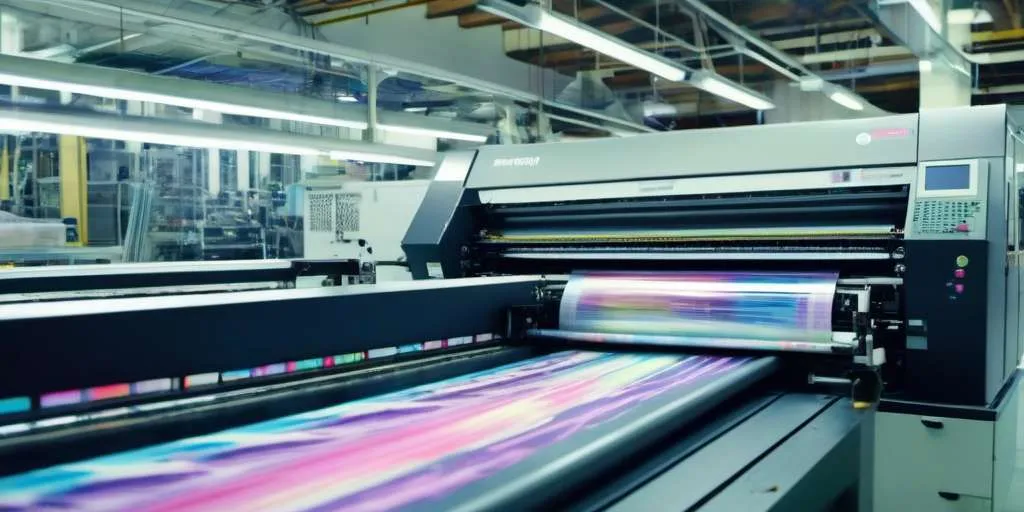
Types of Banners
Banners come in various types, each tailored for specific applications and environments. Understanding the different types of banners can enhance their effectiveness in messaging and visibility.
Vinyl Banners
Vinyl banners are among the most popular options available due to their durability and versatility. They are suitable for both indoor and outdoor usage, and they come in various thicknesses to meet different needs.
oz Vinyl
This type of vinyl is lightweight and ideal for indoor usage. The 13 oz vinyl has a matte finish, making it suitable for displays where high-quality image reproduction is essential. It provides good color vibrancy and is less prone to glare, ensuring that designs stand out.
oz Vinyl
More robust than the 13 oz option, the 15 oz vinyl is perfect for outdoor applications. It can withstand various weather conditions, including rain and wind, making it a reliable choice for events held outdoors or for business signage displayed outside.
oz Vinyl
For the ultimate in durability, the 18 oz vinyl is the strongest option available. This heavy-duty material is designed for large prints and can endure extreme weather conditions, making it perfect for long-term outdoor advertising or large-scale events.
Fabric Banners
Fabric banners provide an elegant alternative to vinyl banners, offering a softer look and feel. They are often used in settings where aesthetic appeal is paramount.
Usage in Trade Shows
At trade shows, fabric banners create a professional appearance and can easily be transported and set up. They can be printed in vibrant colors and are great for backdrops and displays that require a more refined touch.
Usage in Events
Used at weddings, corporate events, and other celebrations, fabric banners add a touch of sophistication. They can be designed to coordinate with event themes and allow for various finishing options, including pole pockets for easy hanging.
Mesh Banners
Mesh banners are specifically designed for outdoor use, incorporating a unique material that allows wind to pass through, which minimizes movement and instability.
Wind Resistance
The design of mesh banners features small holes that enable airflow, reducing the chances of the banner blowing away or becoming damaged. This feature is critical for locations frequently affected by high winds.
Outdoor Use
These banners are ideal for advertising in outdoor environments, such as construction sites, festivals, or sporting events. Their resilient build ensures longevity even when exposed to harsh weather conditions.
Double-Sided Banners
Double-sided banners allow visibility from multiple angles, making them effective for locations where viewers approach from different directions. This type of banner is great for promoting sales or events in busy areas.
Street Banners
Street banners are commonly used for municipal advertising and community events. They are typically hung from poles along roads or streets, grabbing the attention of pedestrians and motorists alike.
Personalized Banners
Personalized banners can be customized in terms of size, design, and material to meet specific needs. They offer flexibility for businesses and individuals looking to showcase unique messages for special occasions or marketing purposes.
Banner Printing Process
The banner printing process involves several crucial steps to ensure that the final product meets the desired specifications and quality. Each phase focuses on optimizing design, materials, and techniques for effective results.
Designing the Banner
The design process is the foundation of any successful banner. Thoughtful planning during this phase leads to a visually appealing and impactful final product.
Color Selection
Choosing the right colors is essential for capturing attention. Colors should reflect the brand’s identity and evoke the intended emotions. It’s important to consider how colors will appear in print, as they can look different on a screen compared to the final product. Using contrasting colors can enhance readability.
Typography
Selecting the appropriate typography is vital for ensuring that the message is clear. Fonts should be legible from a distance. It is recommended to use a combination of font styles for headings and body text, but avoiding excessive variations maintains a professional look. Ensuring sufficient spacing between letters and words is also important for ease of reading.
High-Resolution Images
Images play a significant role in banner design. Utilizing high-resolution images ensures sharp and vibrant prints. Images should be at least 300 dpi to avoid pixelation. Selecting images that align with the banner’s message enhances its overall appeal.
Art Specifications
Submitting the design files according to specific art specifications is crucial for a smooth printing process. This section outlines the necessary technical requirements.
File Formats
Commonly accepted file formats include PDF, TIFF, and JPEG. Each format has its advantages, with PDF being preferred for its ability to maintain layout integrity.
Image Resolution
Images must be submitted at a resolution of at least 300 dpi. This ensures that the images are crisp and clear when printed, resulting in a professional appearance.
Size Tolerances
Understanding size tolerances is important as the final dimensions may vary slightly due to production processes. Typically, variations of up to 2% can occur, so planning accordingly is essential.
Proofing and Approval
Before printing, proofing allows clients to review their designs. This step is crucial for identifying any errors or adjustments needed. Clients typically receive a digital proof which they must approve before moving forward.
Printing Techniques
Various printing techniques can be employed, each offering unique benefits depending on the desired outcome and budget.
Digital Printing
Digital printing is widely used for its efficiency and high-quality results. This method allows for vibrant colors and intricate designs, making it suitable for short runs and highly customizable banners.
Dye Sublimation
Dye sublimation is another effective method, particularly for fabric banners. It involves transferring dye onto the material through heat, resulting in vibrant, durable prints. This technique is ideal for banners that require rich colors and long-lasting quality.
Finishing Options
The finishing touches on a banner are crucial for its durability and functionality. Various options can be chosen based on how the banner will be displayed.
Hemming and Grommets
Hemming involves folding the edges of the banner to prevent fraying. Adding grommets provides reinforced holes for easy hanging, making the banner easier to install securely.
Pole Pockets
Pole pockets are a finishing option that allows for easy hanging of the banners using poles. This technique is useful for both indoor and outdoor displays and provides an organized appearance.
Reinforced Edges
Reinforced edges improve the banner’s ability to withstand harsh weather conditions. This added durability makes it suitable for outdoor use, ensuring the banner remains in good condition over time.
Custom Banner Printing
Custom banner printing offers the flexibility to design banners tailored to specific needs, sizes, and environments. This section delves into various aspects of custom banners, including unique sizes, double-sided printing options, and material selections.
Custom Sizes
One of the primary advantages of custom banner printing is the ability to choose sizes that fit individual requirements. Banners can be produced in a wide range of dimensions, which helps in ensuring that they fit perfectly in the intended display area.
- Small Banners: Typically used for indoor displays or personal events.
- Medium Banners: Suitable for trade shows, exhibitions, and storefront promotions.
- Large Banners: Ideal for outdoor advertising, festivals, and large public events.
- Extra-Large Banners: Often used for special campaigns or major events to ensure visibility from a distance.
These customization options include height and width variations, enabling users to select a banner that meets the specific spatial constraints or visual impact desired.
Printing Double-Sided Banners
Double-sided banners maximize visibility by allowing content to be displayed on both sides. This is particularly useful in situations where the banner may be viewed from multiple angles.
Key benefits of double-sided printing include:
- Increased Exposure: Effective for events where foot traffic comes from different directions.
- Cost Efficiency: Provides more advertising space without needing multiple banners.
- Design Flexibility: Allows for varied messages or designs on each side, broadening the advertising impact.
Double-sided banners can be crafted using both vinyl and fabric materials, depending on the setting and desired aesthetics.
Material Choices
The choice of material is critical in determining the banner’s durability, visual quality, and appropriate application. Various materials serve specific needs and environments.
- Vinyl: A popular choice for outdoor banners due to its weather resistance and durability. Available in various thicknesses.
- Fabric: Best suited for indoor events and trade shows, fabric banners provide a sophisticated look and are lightweight for easy transport.
- Mesh: Designed for outdoor use, mesh banners allow wind to flow through, preventing wear and tear from harsh weather conditions.
- Canvas: Offers a high-end appearance, ideal for art displays or events where aesthetics are crucial.
By carefully selecting the appropriate material, users can enhance the efficacy and longevity of their banners, ensuring they endure the demands of their intended environment.
Finding local options for printing banners is essential for quick turnaround times and personalized service. Several avenues exist to fulfill printing needs effectively.
Banner Printing Near Me
Local Print Shops
Local print shops offer a personalized experience when it comes to banner printing. They understand the unique needs of their communities and can provide tailored services. Local shops are often equipped to handle a variety of printing materials and sizes.
- In-person consultations allow for immediate feedback and adjustments, ensuring the final product meets expectations.
- Many shops also provide design assistance, helping clients create effective banners that capture attention.
- Local print shops frequently support other local businesses, contributing to the community’s economy.
- Turnaround times are often faster, as customers can typically order banners for same-day or next-day service.
Online Printing Services
Online printing services have become increasingly popular due to their convenience and range of options. With the ability to upload designs from anywhere, these services cater to customers who prefer to manage their orders remotely.
- Accessibility to a wide variety of materials and finishes, allowing for unique banner designs that stand out.
- Competitive pricing is often available, with frequent promotions that make ordering more budget-friendly.
- Online platforms typically provide design tools which facilitate the creation of banners directly through their website.
- Order tracking and customer support are usually provided, ensuring that clients are well-informed throughout the process.
Pickup and Delivery Options
Many banner printing services, whether local or online, offer pickup and delivery options, enhancing customer convenience significantly. These alternatives provide flexibility in how customers receive their banners.
- Local shops often allow customers to pick up printed materials directly, saving on shipping costs.
- Some online services partner with local couriers to provide quick delivery to the customer’s chosen address.
- Local print shops may also offer delivery services, making it easier for businesses to obtain their promotional materials right at their doorstep.
- Flexible options help businesses ensure that they receive their banners in a timely manner, aligning with event schedules or marketing campaigns.
Best Practices for Effective Banners
Understanding the best practices for creating effective banners enables businesses and individuals to maximize their visibility and impact. Key elements such as clear messaging, appealing design, thoughtful placement, and proper care significantly influence the effectiveness of banner advertising.
Clear Messaging
When crafting a banner, clarity is paramount. The primary message should be straightforward and easily digestible at a glance. Consider the following tips:
- Keep It Concise: Use brief phrases that communicate the main idea. Less is often more when capturing someone’s attention.
- Highlight Key Information: Ensure that the most important details, such as sales, events, or promotions, stand out prominently.
- Use Actionable Language: Phrases like “Join Us,” “Shop Now,” or “Get Started” can encourage immediate responses from viewers.
Attractive Design
The visual appeal of a banner is crucial in attracting attention. A well-designed banner should incorporate various elements to create an eye-catching display:
- Color Scheme: Choose colors that align with the brand identity while also being vibrant enough to draw attention. Contrast can enhance readability.
- Typography: Select fonts that are not only stylish but also easily readable from a distance. Mixing different font sizes can help in emphasizing important messages.
- Images and Graphics: Use high-quality images or graphics that relate directly to the message, as they can enhance understanding and evoke interest.
Choosing the Right Location
The effectiveness of a banner can be significantly affected by its placement. Factors such as visibility and foot traffic should be prioritized:
- High Traffic Areas: Positioning banners in locations with high visibility and foot traffic, like storefronts or event venues, can increase exposure.
- Consider Obstacles: Be mindful of obstacles such as trees, buildings, or other objects that might obstruct the view of the banner.
- Contextual Relevance: Ensure that the location of the banner is relevant to the message being conveyed. For example, a banner about a local event should be placed nearby.
Maintenance and Care
Maintaining the quality of banners is essential for ensuring longevity and continued effectiveness. Regular care can preserve the visual appeal:
- Protect from the Elements: When not in use, store banners in a safe environment to protect them from extreme weather conditions that could cause damage.
- Inspect Regularly: Regular checks for wear and tear or fading can help in identifying when a banner needs cleaning or replacement.
- Cleaning: Follow specific cleaning instructions based on the material of the banner. A gentle wash can restore vibrancy and improve appearance.
Cost and Shipping
Understanding the costs and shipping options associated with banner printing is essential for planning and budget management. This section provides an overview of production costs, shipping methods, delivery timeframes, and available bulk order discounts.
Production Costs
The production costs of banners can vary significantly based on various factors. The main elements that influence pricing include:
- Size: Larger banners generally incur higher costs due to increased material usage and production time.
- Material: Different materials, such as vinyl, fabric, or mesh, have varying price points. For instance, durable outdoor materials may be priced higher than indoor options.
- Customization: Designs that require special features, such as double-sided printing or unique finishes, may also affect the overall cost.
- Quantity: Ordering in bulk typically results in lower per-unit costs. This is especially beneficial for businesses planning multiple events or promotions.
Shipping Options
Shipping options play a crucial role in how quickly and efficiently banners can reach their destination. Providers generally offer several methods:
- Standard Shipping: This is the most economical choice for shipments, though it may take longer to arrive.
- Expedited Shipping: For those needing faster delivery, expedited shipping options are available, ensuring that banners arrive in a shorter timeframe.
- Same-Day Delivery: Some local printing shops might offer same-day delivery for urgent requests, though this is typically more costly.
Delivery Timeframes
Delivery timeframes can vary based on the production time and shipping method selected. Most printing services estimate the following timelines:
- Under $1101: Delivery is usually within 24 hours after the final design approval.
- Between $1101 and $2201: Generally expected within 48 hours after approval.
- Over $3300: Delivery may take between 3 to 6 business days after the deposit is confirmed.
Bulk Order Discounts
Many printing services offer discounts for bulk orders, making it more affordable for businesses or organizations planning large campaigns. Factors that influence bulk order pricing include:
- Volume: The more banners ordered, the greater the savings per unit.
- Consistency: Orders that share similar specifications or designs may also qualify for additional discounts.
- Seasonal Promotions: Some printing companies may run seasonal promotions for bulk ordering, so it’s beneficial to stay informed about special deals.
Frequently Asked Questions (FAQs)
This section addresses common questions regarding banner printing, providing insights into hanging methods, durability, material recommendations, and design tips to maximize effectiveness.
How to Hang Banners
Hanging banners properly ensures visibility and presentation. Depending on the type of banner and the location, various methods can be utilized:
- Grommets: Many banners come equipped with grommets. These are reinforced holes in the corners that allow for easy hanging using ropes, hooks, or clips.
- Pole Pockets: Banners can be designed with pockets at the top or bottom, allowing poles to be inserted for support. This method is suitable for indoor displays.
- Clips or Magnetic Strips: For lightweight fabric banners, clips or magnetic strips can be used for quick and easy installation.
- Adhesive Hooks: For temporary indoor displays, adhesive hooks can hold lightweight banners on walls without causing damage.
Outdoor Durability
Outdoor banners must withstand varying weather conditions. The durability of a banner primarily depends on the material used:
- Vinyl Banners: Known for their strength, vinyl banners are ideal for outdoor use. The thicker the vinyl, the more resistant it is to wear and tear.
- Mesh Banners: These are designed for high-wind areas as they allow wind to pass through, preventing damage or lifting.
- Fabric Banners: Although generally used for indoor purposes, certain fabric banners can be treated for outdoor durability, but they are less weather-resistant than vinyl options.
Recommended Materials for Various Uses
Selecting the right material for banners depends on the intended use and display location:
- Vinyl: Great for outdoor advertising and events due to its durability.
- Canvas: Often utilized for high-end displays, exhibitions, and indoor events, providing a classy look.
- Fabric: Suitable for trade shows and indoor events; these banners can be folded and stored easily.
- Mesh: Excellent for windy outdoor venues where air circulation is crucial.
Design Tips for Maximum Impact
An effective banner design attracts attention and conveys information clearly. Key design elements include:
- Clear Messaging: The main message should be concise and easy to read from a distance.
- Eye-Catching Colors: Use colors that stand out but also align with the brand’s identity.
- Readable Fonts: Choose fonts that are legible from afar. Avoid overly decorative fonts that may hinder readability.
- High-Resolution Images: Incorporate images that are high quality to ensure clarity and impact.